SILICON·LIFE
Research pipeline

From catheter to artificial organ

Six programmes extend our catheter platform and three enabling technologies, from next-generation catheters to implantable devices that are powered, sensed and controlled electronically.

Investigational

All programmes on this page are in development. They have not been approved by any regulatory authority and are not available for sale in any market.

Platform overview

Each programme draws on the marketed catheter platform, the three enabling technologies, or both.

Builds on this platformNot used
Enabling platforms used by each pipeline programme
ProgrammeWireless powerMultimodal sensingAI recognitionCatheter platformIntended class
BCI electronic artificial bladderArtificial organsYesYesYesNoActive implantable · intended Class III
Electronic penile supportAndrologyYesNoNoNoActive implantable · intended Class III
Male internal controllable catheterCatheter platformNoNoNoYes—
Hydrophilic-coated controllable catheterCatheter platformNoNoNoYes—
Catheter kit & antibacterial catheterCatheter platformNoNoNoYes—
Subcutaneous electronic injectorAndrologyNoNoNoNoIntended Class II

Intended classes reflect the company’s development plans and are not regulatory determinations. All programmes are investigational.

Concept line drawing of an implantable bladder system with an external power unitIn developmentCONCEPT ILLUSTRATION
01 · Artificial organsActive implantable · intended Class III

BCI electronic artificial bladder

An implantable, electronically controlled bladder system that takes its trigger from the brain’s own voiding signal, bypassing damaged nerve pathways.

How it is designed to work

A brain–computer interface reads the voiding signal, AI-assisted signal analysis converts it into a trigger, and an implanted electromagnetic pump empties the bladder. The system is powered wirelessly through the company’s two-stage magnetic resonance link and uses flexible, conformable implant materials. It builds on the company’s earlier magnetically controlled artificial bladder, supported by the National Natural Science Foundation of China.

Development targets · not yet achieved or validated
  • Brain–computer interface trigger: EEG recognition accuracy ≥ 95%, latency ≤ 300 ms
  • Flexible multi-source sensor for bladder volume, pressure and temperature: measurement error ≤ 2%, stable continuous monitoring ≥ 9 months
  • Individualised deep-learning control: dynamic bladder-volume estimation error ≤ 3%
  • Rigid–flexible bionic actuation with dynamic flow-resistance control: millisecond-level response, output error ≤ 2%, ≥ 95% functional integrity after 10⁶ cycles
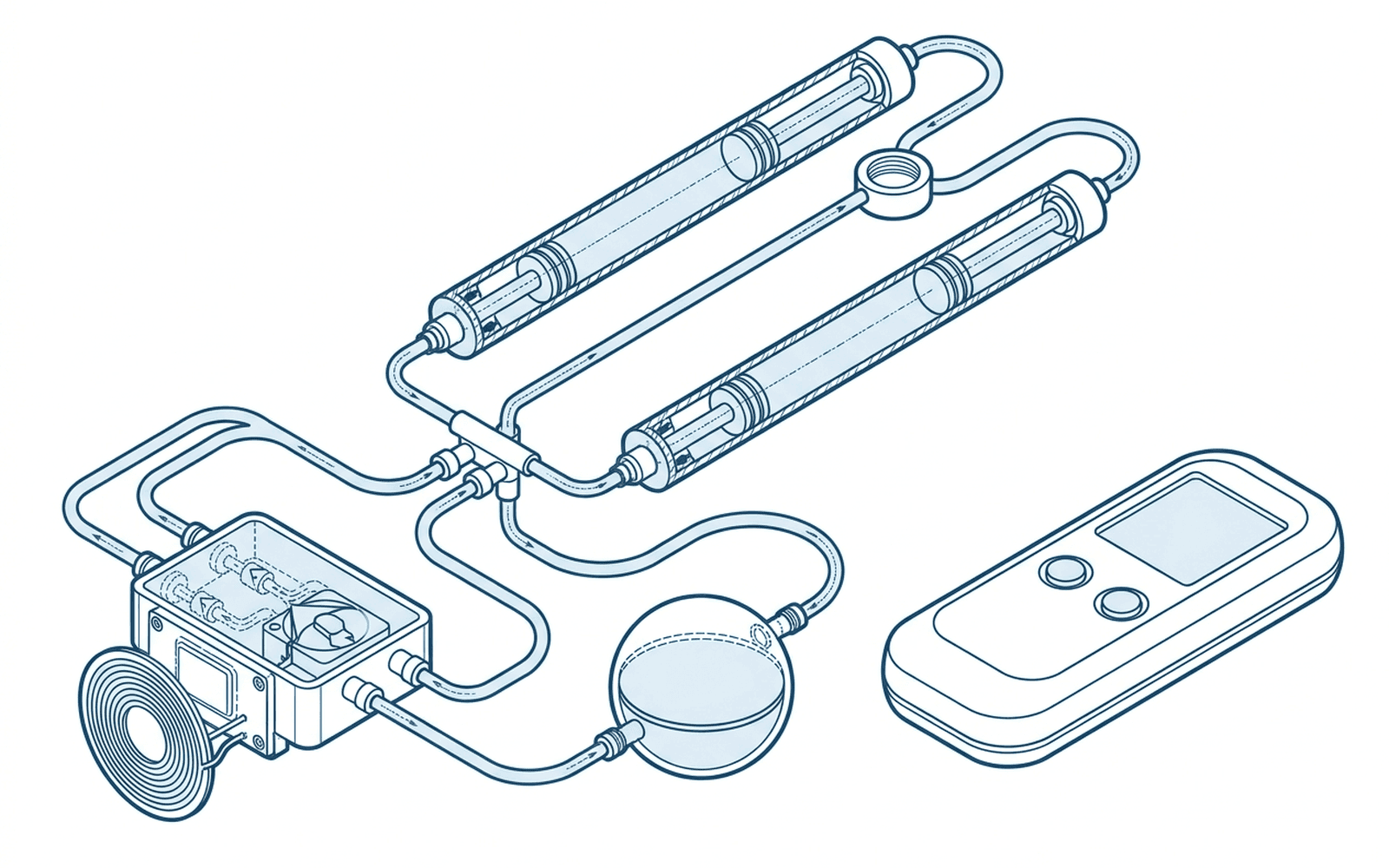
Concept line drawing of an implant system with cylinders, reservoir, pump and external programmerIn developmentCONCEPT ILLUSTRATION
02 · AndrologyActive implantable · intended Class III

Electronic penile support

An implantable penile support for erectile dysfunction that is switched on and off by an external programmer instead of a manual pump.

How it is designed to work

The programmer sends an electromagnetic signal to a wireless receiver in the implant. The receiver opens a valve and a pump moves sterile water from a reservoir into the cylinders; a second signal returns it. External wireless power means no battery is implanted, and the reservoir is designed to sit in the retropubic, extraperitoneal space.

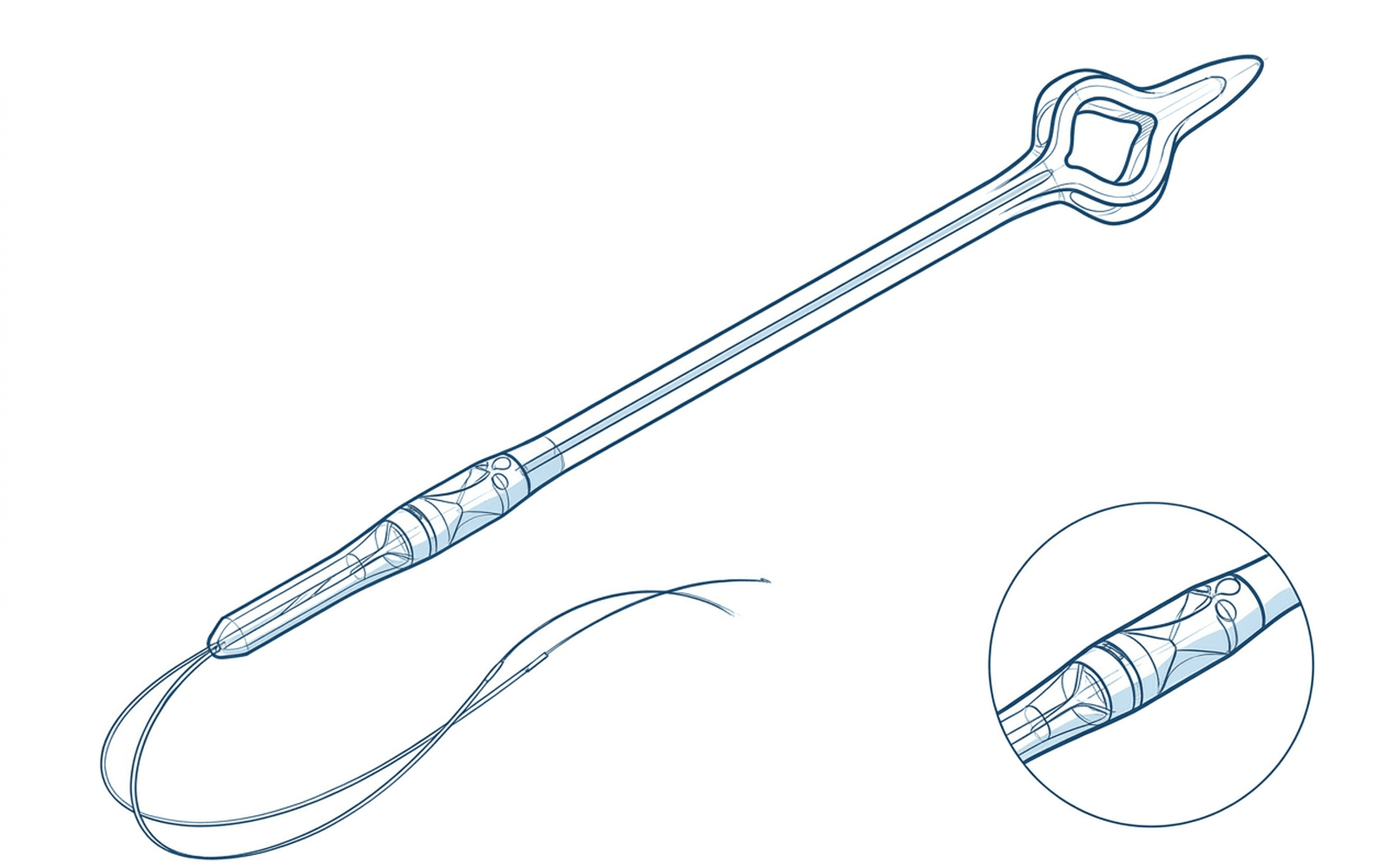
Concept line drawing of a slender catheter with a quatrefoil tip and pull wireIn developmentCONCEPT ILLUSTRATION
03 · Catheter platform

Male internal controllable catheter

An internally placed controllable silicone catheter for men, built on the same balloon-free, low-resistance principle as the marketed catheter.

How it is designed to work

The design combines a balloon-free quatrefoil tip with a pull-wire switch: the patient pulls to void. The catheter is placed internally and replaced monthly, with the aim of supporting dignified voiding while preserving sexual function.

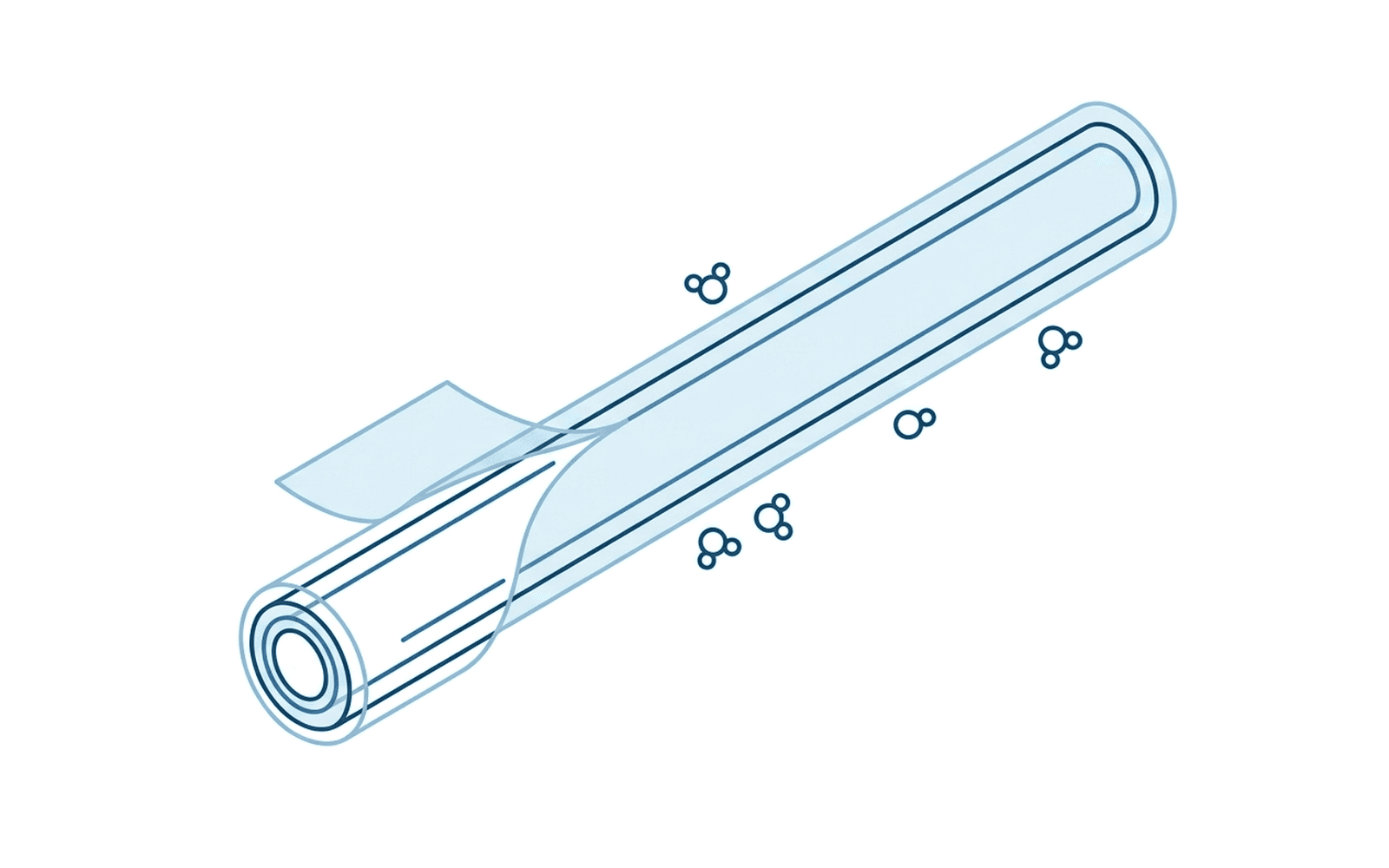
Concept line drawing of a catheter shaft section showing a surface coating layerIn developmentCONCEPT ILLUSTRATION
04 · Catheter platform

Hydrophilic-coated controllable catheter

A controllable catheter with a hydrophilic surface, intended to make placement smoother and less painful.

How it is designed to work

A hydrophilic layer on the catheter surface is intended to reduce friction during insertion and removal. The valve and retention design follow the marketed catheter.

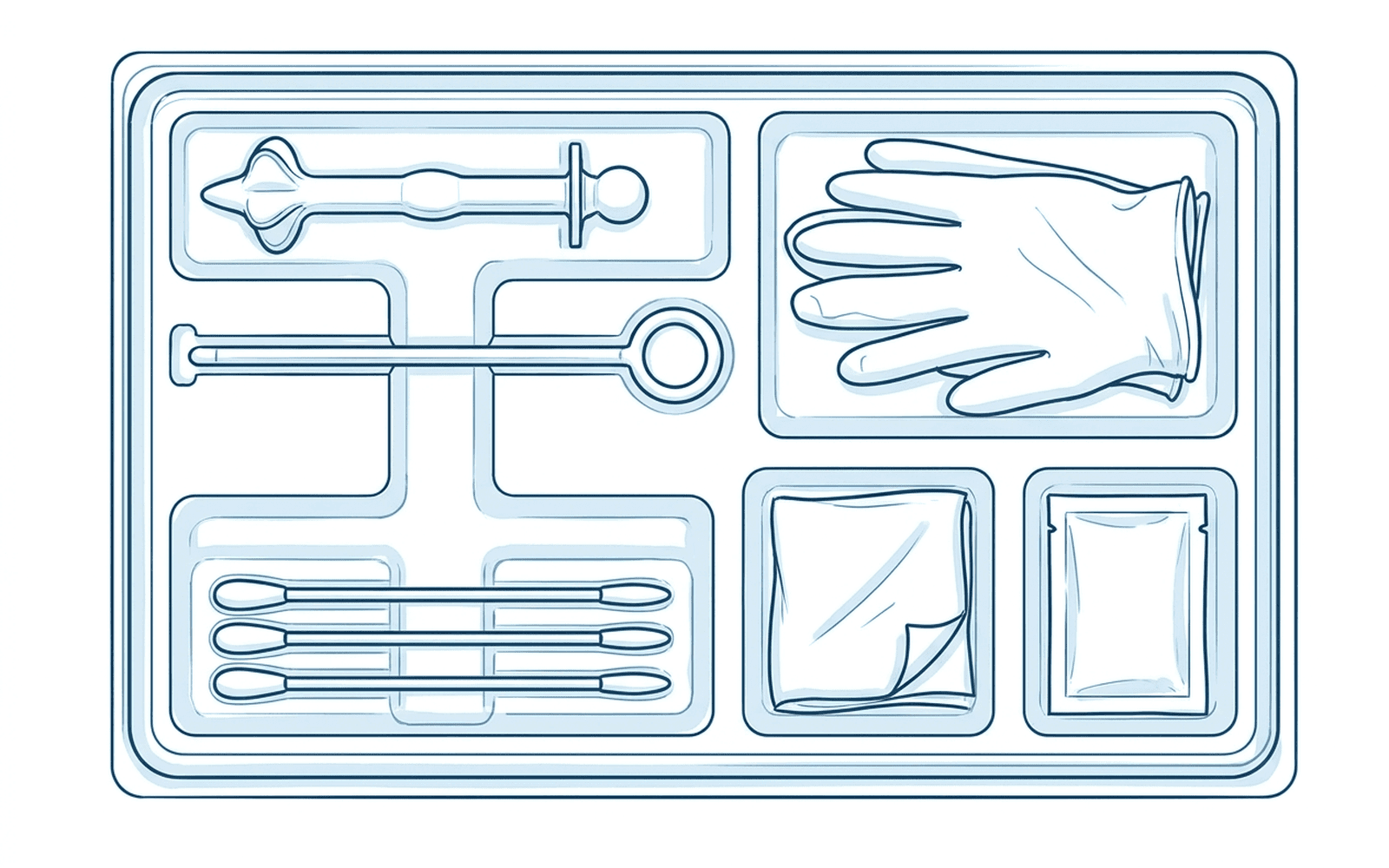
Concept line drawing of a catheter placement kit laid out in a tray, top viewIn developmentCONCEPT ILLUSTRATION
05 · Catheter platform

Catheter kit & antibacterial catheter

A ready-to-use placement kit, and a catheter variant designed to limit bacterial colonisation.

How it is designed to work

The controllable catheter kit is intended to remove most of the preparation clinicians do before placement: open the pack and begin. In parallel, an antibacterial controllable catheter is being developed to address catheter-associated urinary tract infection; it is under evaluation.

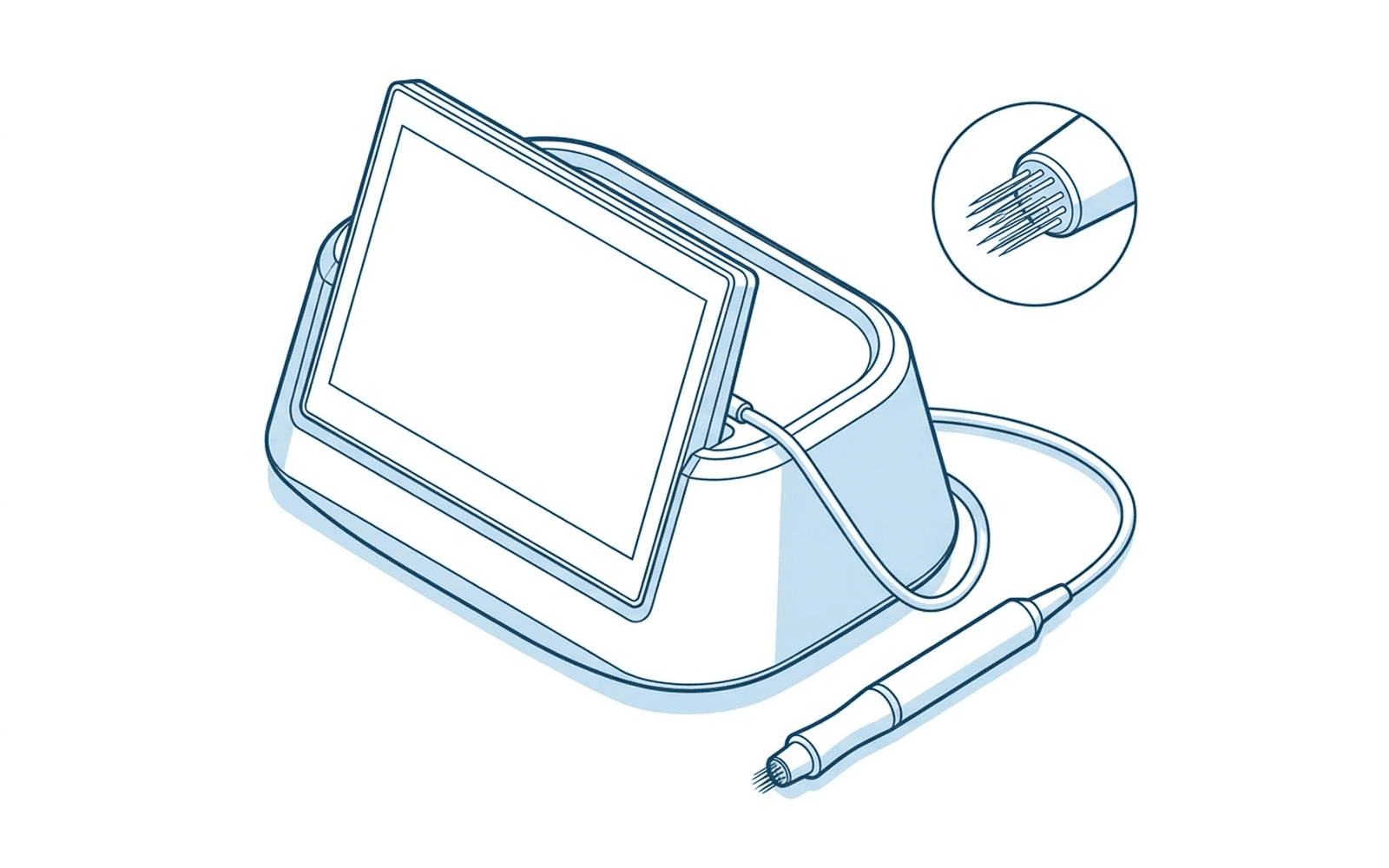
Concept line drawing of a tabletop control unit with a handheld multi-needle injectorIn developmentCONCEPT ILLUSTRATION
06 · AndrologyIntended Class II

Subcutaneous electronic injector

An electronically controlled multi-needle injector for precise, metered dermal injection in the treatment of premature ejaculation.

How it is designed to work

A control unit drives a multi-needle head that delivers a fixed volume of sodium hyaluronate into the dermis of the glans at a controlled depth. The aim is to reduce sensory stimulation, with a fast, even injection and a natural appearance. It is an external device, not an implant.

Developed as a standalone external device

Research collaboration

We work with hospitals and universities on preclinical and clinical research for these programmes.

Discuss a collaboration→